
Boost your immune system and build new tissue through diet
When you undergo surgery, your body is put under a lot of stress. To manage this stress and heal properly, your body needs extra energy and nutrients. Now’s the time to equip your body with everything it needs to recover before you even set foot in the hospital.
A diet rich in calories, protein, vitamins, and minerals gives your body the strength it needs to recover quickly and helps reduce your risk of complications, such as infections or hospital readmission. Poor nutrition before or during recovery can delay wound healing, slow your recovery time, and increase the length of your hospital stay.
Key Recovery Goals
- Support tissue repair and wound healing
- Boost immune function to fight infection
- Prevent muscle loss
- Control blood sugar levels
Healing your surgical wound starts with three nutritional building blocks:
CALORIES:
Gives you the energy to heal and function
PROTEIN:
Helps you repair old tissue and create new tissue
VITAMINS & MINERALS:
Combats infection and helps your cells regenerate
Focus on these fundamentals:

Eat enough protein

Focus on foods that help you heal
Vitamin A: Helps speed up healing by increasing collagen development.
Zinc and Iron: Supports the growth of new cells and strong, healthy tissue.

Hydrate

Manage blood sugar
Are you at risk of malnutrition?
Before surgery, it is helpful to screen for malnutrition. Malnutrition significantly increases the risk of postoperative complications and longer recovery times. If you have lost weight without trying, had trouble eating, or decreased appetite, talk to your doctor before surgery.
Calculate your risk
The Malnutrition Universal Screening Tool (MUST) is a quick check of your current risk of malnutrition. This calculator is for adults; this screener is not a diagnosis. Please talk to your care team about your results or any concerns you have related to your weight or diet.
BMI score
Unplanned weight loss (past 3–6 months)
If you’re not sure, use your best estimate.
Formula: (previous − current) ÷ previous × 100.
Acute disease effect
This situation is uncommon outside of the hospital.
Your MUST result
Total score
This tool follows the MUST method (BMI, unplanned weight loss, acute disease effect). Results are an estimate and not a diagnosis. If you have concerns about eating, weight loss, or illness, contact your care team. To learn more about MUST visit https://www.bapen.org.uk/must-and-self-screening/introducing-must/.
Tip: Re-check your score if your health changes or you notice weight loss.

Build a surgical healing grocery list
Use the form below to build a surgical healing grocery list that you can download and take with you to the store.
“When my doctor first told me to focus on nutrition before surgery, I honestly thought it wouldn’t make a big difference. But as I started eating more protein, fresh fruits and vegetables, and staying on top of my meals, I began to feel stronger and more prepared.
After my operation, I could tell right away—I had more energy, my incision healed faster than I expected, and I bounced back sooner. Taking care of my nutrition beforehand really helped me feel like I was actively part of my own recovery.”
Making the fundamentals digestible:
Quick and easy nutrition tips for better healing
Eat enough protein
-
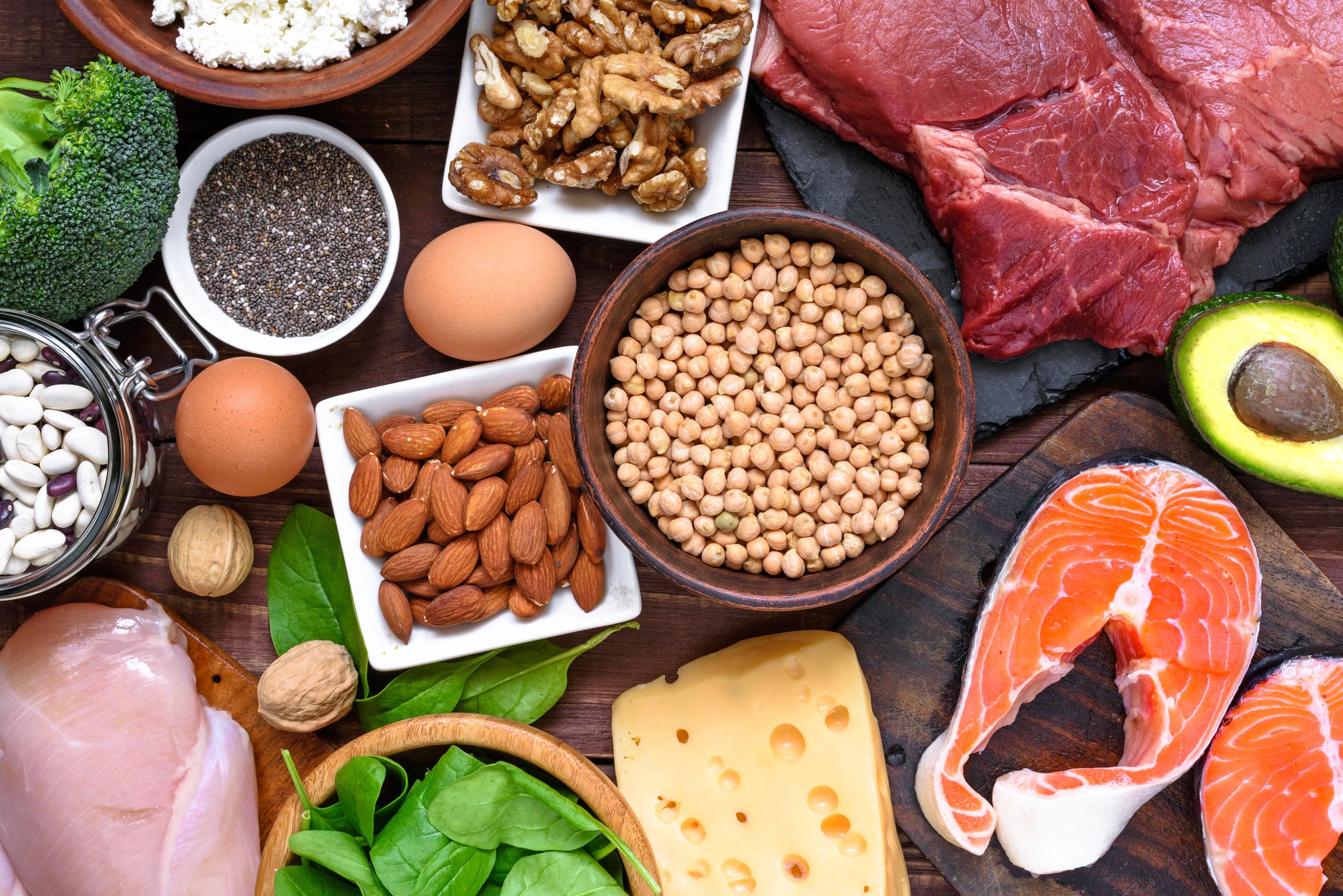
- Plan your meals around high-quality protein sources like eggs, tofu, lean meat, beans, or fish. Eat your protein first in case you get full.
- Add a handful of nuts or seeds to your meals (like yogurt, salads, cereals) for an extra boost of protein and fiber.
- Stock your kitchen with high-protein snacks that you can eat throughout the day, like peanut butter, cottage cheese, protein bars, and Greek yogurt.
- Talk to your care team about adding protein supplements like protein shakes or powders to your diet.
Hydrate
-
- Drink plenty of fluids after your surgery to maintain your skin’s elasticity and help wounds heal. Good options include water (add some lemon or sugar-free flavoring for taste), herbal teas, or broth if you are nauseous.
-
- Keep fluids nearby so you can take frequent sips throughout the day rather than trying to drink an entire glass at once.
-
- Avoid alcohol and limit caffeine, as they can dehydrate the body and may hinder healing.

Focus on foods that help you heal
-
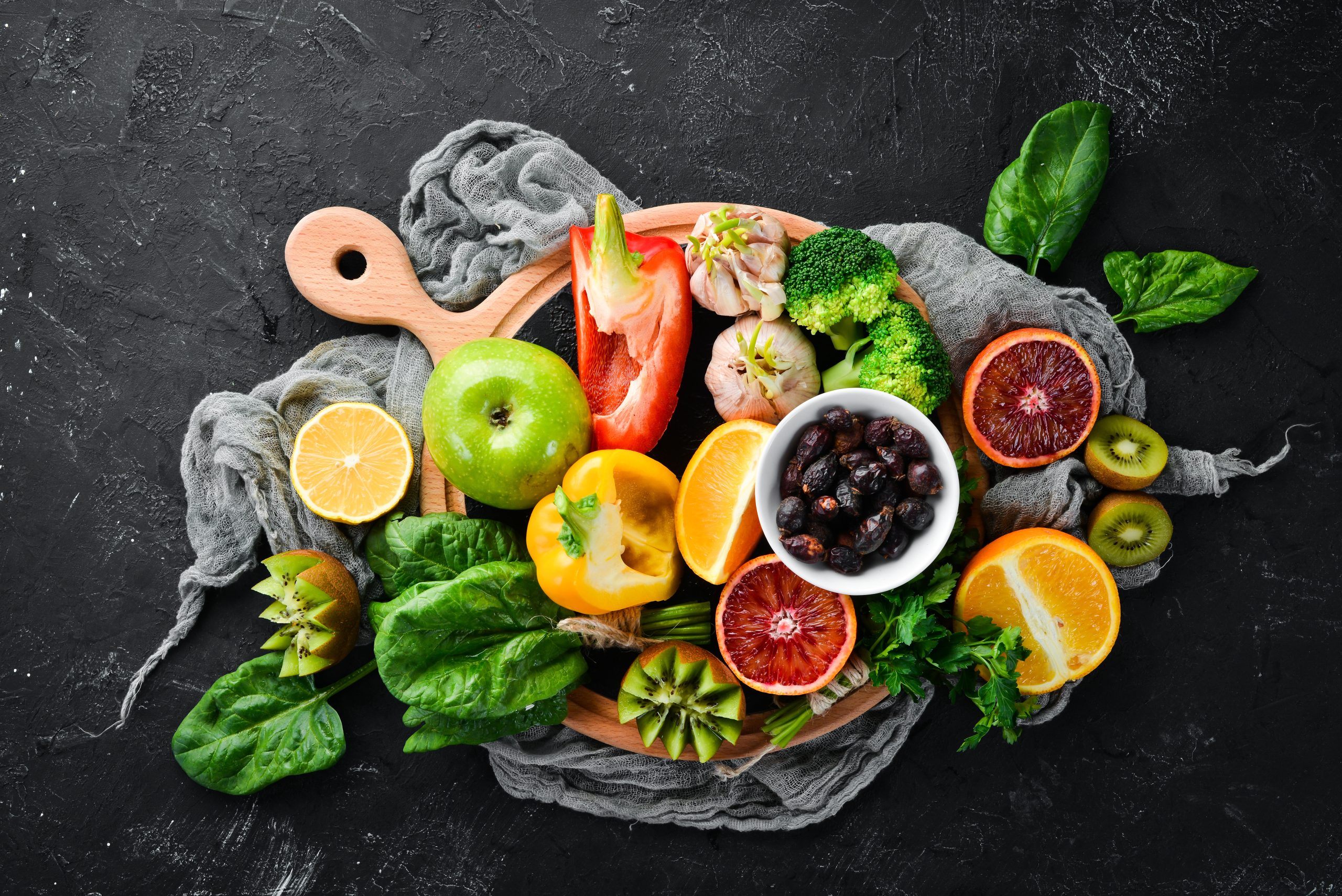
- Vitamin C: Eat citrus fruits, berries, red peppers, broccoli, raw spinach, and tomatoes.
-
- Zinc: Found in animal products like red meat, fish, shellfish, eggs, milk, and poultry. Whole grains also contain zinc, along with fiber and B vitamins.
- Zinc: Found in animal products like red meat, fish, shellfish, eggs, milk, and poultry. Whole grains also contain zinc, along with fiber and B vitamins.
-
- Vitamin A: Add foods like carrots, eggs, milk, cheese, apricots, mango, and pumpkin to your diet to get your fill of Vitamin A.
- Vitamin A: Add foods like carrots, eggs, milk, cheese, apricots, mango, and pumpkin to your diet to get your fill of Vitamin A.
-
- Consider using turmeric in your cooking, as its active compound, curcumin, is recognized for its potent antioxidant and anti-inflammatory properties. Add to curries, stews, or try making a turmeric latte with warm milk blended with a dash of turmeric, cinnamon powder, and maple syrup.
Managing your blood sugar
Keeping your blood sugar “in range” (generally below 180 mg/dL) and maintaining an A1C of 7.0% or lower can drastically improve how fast your wounds heal and prevent complications after your surgery. If you have diabetes, talk to your care team about ways to manage your blood sugar and reduce your A1C before your surgery.
What does it mean to be “in range”?
Being “in range” means your blood sugar level is staying within the healthy target range set for you by your healthcare provider.
Standard healthy ranges:
Before a meal: 80 to 130 mg/dL
Two hours after the start of a meal: Less than 180 mg/dL
Target blood sugars vary by person and situation.
What can I do to help keep my blood sugars in range?
- Eat vegetables, whole grains, beans, nuts, and lean proteins like chicken and fish.
- Avoid or reduce highly processed and sugary foods or drinks in your diet.
- Reduce the amount of carbohydrates you eat every day and be mindful of portions.
- Be physically active and walk for 10 minutes or more after meals.
What makes your blood sugar go up and down?
- Glucose: The carbs and sugars in the food you eat break down into glucose, which is a type of sugar, in your stomach. This glucose sugar then enters your bloodstream for your body to use as energy.
- Insulin: Your pancreas makes a hormone called insulin, which helps your cells take in glucose from your blood. This process helps lower your blood sugar levels.
How do I measure my blood sugar?
Talk to your care team about how closely you should track your blood sugar at home. There are several options, including a glucometer (“finger prick” method), or a continuous glucose monitor (CGM). If you have diabetes, your insurance may help cover the cost of these devices.
Interested in learning more?
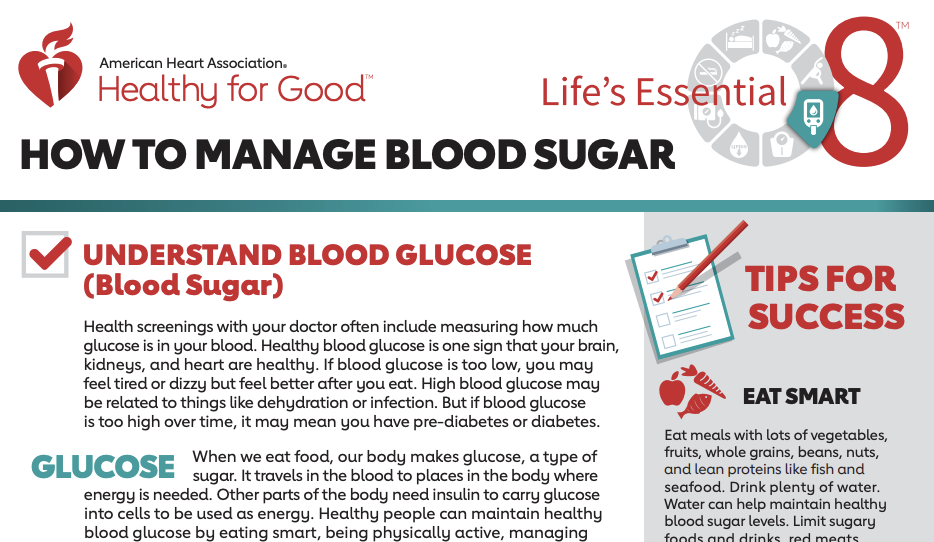
Check out this resource from the American Heart Association.
What’s the proof any of this works?
All the recommendations on this page are backed by clinical evidence. If you are interested in reading the studies, click the button!
CREATED BY HBOM
Healthy Behavior Optimization for Michigan is transforming healthcare through design.
Learn more at HBOMich.org.


HEAL BETTER
FEEL BETTER