Reducing Alcohol Use is Key to Your Recovery
Reducing or stopping drinking alcohol before and after surgery can significantly improve your healing process and lower your risk of complications. This means faster recovery, lower hospital bills, and less chance of infections.
Get help now
SAMHSA’s National Helpline is a free, confidential, 24/7, 365-day-a-year treatment referral and information service (in English and Spanish) for alcohol and other substance use.
Call the Helpline
1-800-662-HELP (4357)
More Alcohol = More Risk
If you drink:
3-4 alcoholic drinks per day, your risk of surgical complications is about 50% higher.
5 drinks or more per day, your risk of surgical complications is 200–400% higher.
Drinking alcohol before surgery can lead to various complications, including heart issues, infections, and bleeding episodes. Alcohol increases these risks regardless of the type of surgery.
You can significantly improve your recovery if you:
Stop drinking alcohol at least 4 weeks prior to surgery,
and avoid alcohol for 5-6 weeks after surgery.
Alcohol impacts your healing by:

Weakening the Immune System
Causing Heart Problems

Increasing Bleeding Risk
Alcohol affects blood clotting, which can lead to longer bleeding time and an increased risk of bleeding during your recovery.

Slowing Wound Healing
Sharing is Caring
It’s important to inform your surgeon about your alcohol use to ensure the safest and most effective care. Your care team is invested in your healthy outcomes after surgery. They can guide you to the best treatments and resources.
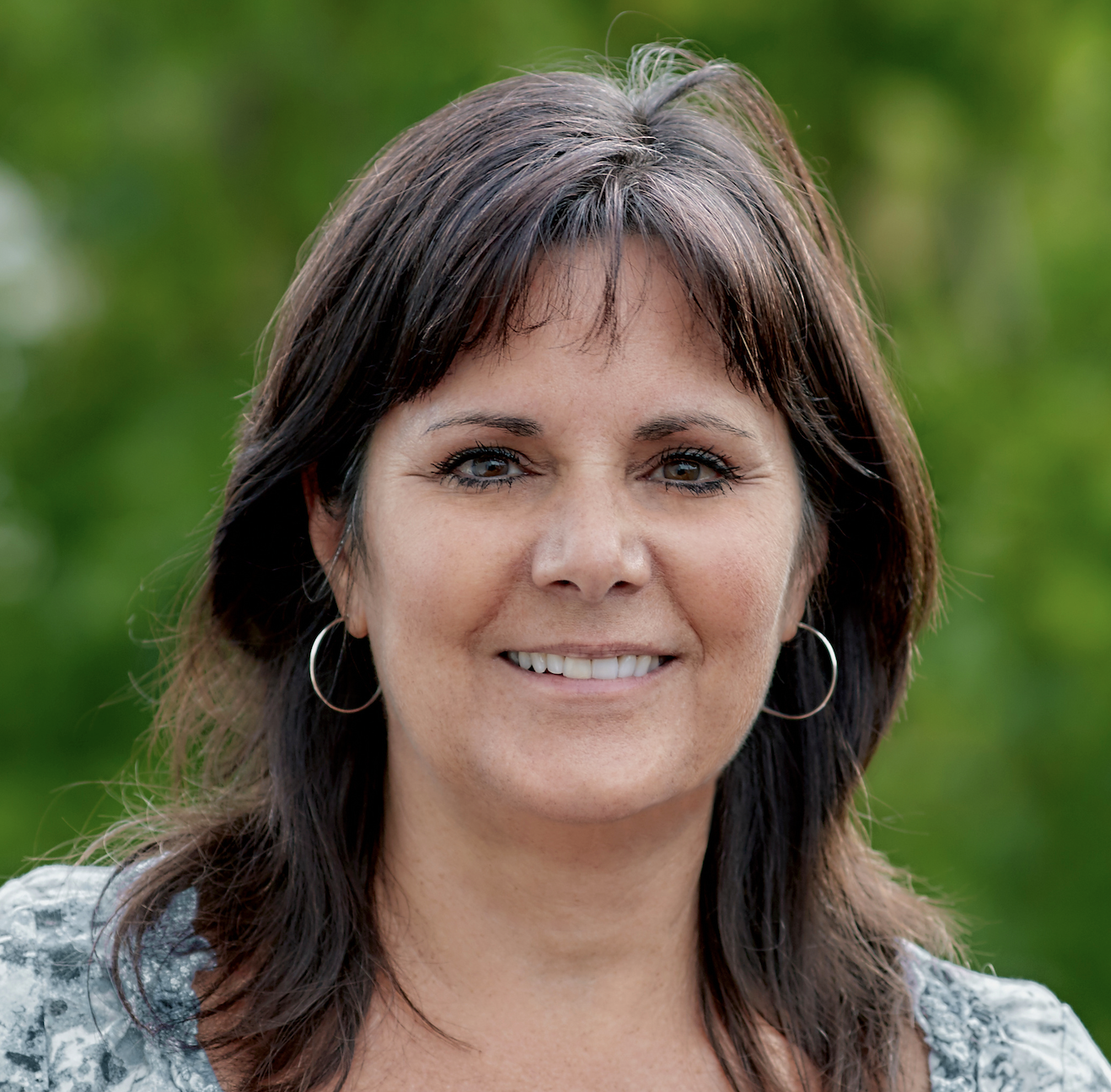
“When I decided to stop drinking before surgery, my care team never judged me. They listened, supported me, and helped me take it one step at a time. Knowing they were on my side made all the difference.“
What’s your risk?
It can be hard to know if you have a problem. Check your drinking profile using a free, interactive self-test like AUDIT-C. The AUDIT-C is a simple, three-question screening tool designed to help understand your typical alcohol use. Here is why this short test is so helpful:
• It Helps You Understand the Risk of Complications: Patients with a score of 5 or higher are more likely to experience complications like infections or wound issues. If your score is 9 or higher, you may face an even higher risk of needing a longer hospital stay or time in the intensive care unit.
• It Helps You Take Control: By identifying a high score early, you have an opportunity to make changes. Knowing your risk level allows you to work with your care team on a “prehabilitation” plan, such as reducing or stopping alcohol for 4 to 8 weeks before surgery, to significantly lower your chances of infection and improve your healing.
Get Your Alcohol Risk Score (AUDIT-C)
It only takes about 1 minute.
1) How often do you have a drink containing alcohol?
2) How many drinks do you have on a typical day when you are drinking?
3) How often do you have 6 or more drinks on one occasion?
The Power of Quitting
The good news is that many of the negative effects of alcohol can be reversed when you quit drinking.
It Just Takes a Few Weeks
Quitting drinking 4–8 weeks before surgery can significantly reduce the chance of several serious complications after your surgery, such as wound healing, heart problems, and infections.

Increased Bleeding Risk
1-4 weeks to recover
Weakened Immune System
2-8 weeks to recover

Slowed Wound Healing
Less than 8 weeks to recover
Try a Mocktail or NA Beverage
Reducing or stopping drinking alcohol can be easier with tasty, healthy alternatives!
More and more Americans are consuming non-alcoholic (NA) beverages. From zero proof spirits to NA beer and wine, the options have skyrocketed. Check out the NA section of your favorite beverage store, bar, or restaurant. You’ll be pleasantly surprised.
If you want to make a mocktail at home, here are two recipes featuring ingredients rich in Vitamin C, which is essential for wound healing.
—
—
Ingredients
Preparation
What’s the proof any of this works?
All the recommendations on this page are backed by clinical evidence. If you are interested in reading the studies, click the button!
CREATED BY HBOM
Healthy Behavior Optimization for Michigan is transforming healthcare through design.
Learn more at HBOMich.org.


HEAL BETTER
FEEL BETTER