
Sleep your way to a faster recovery
Sleep is essential for healing after surgery. When you get enough good-quality sleep, your body heals faster, fights infection better, and manages pain more effectively.
Sleep Disruption is Common
Many people experience changes in their sleep during the first few weeks after surgery. Preparing ahead of time and practicing healthy sleep habits after surgery can improve your rest and support faster, smoother healing
Key Recovery Goals
- Get home from the hospital faster
- Support tissue repair and wound healing
- Boost immune function to fight infection
- Manage pain
To help you heal after surgery, you should get
7-9 hours of sleep each night.
Why sleep matters for healing:

Wound Repair

Immune Strength

Pain Management
Get Started on Better Sleep
Improve Your Sleep Hygiene
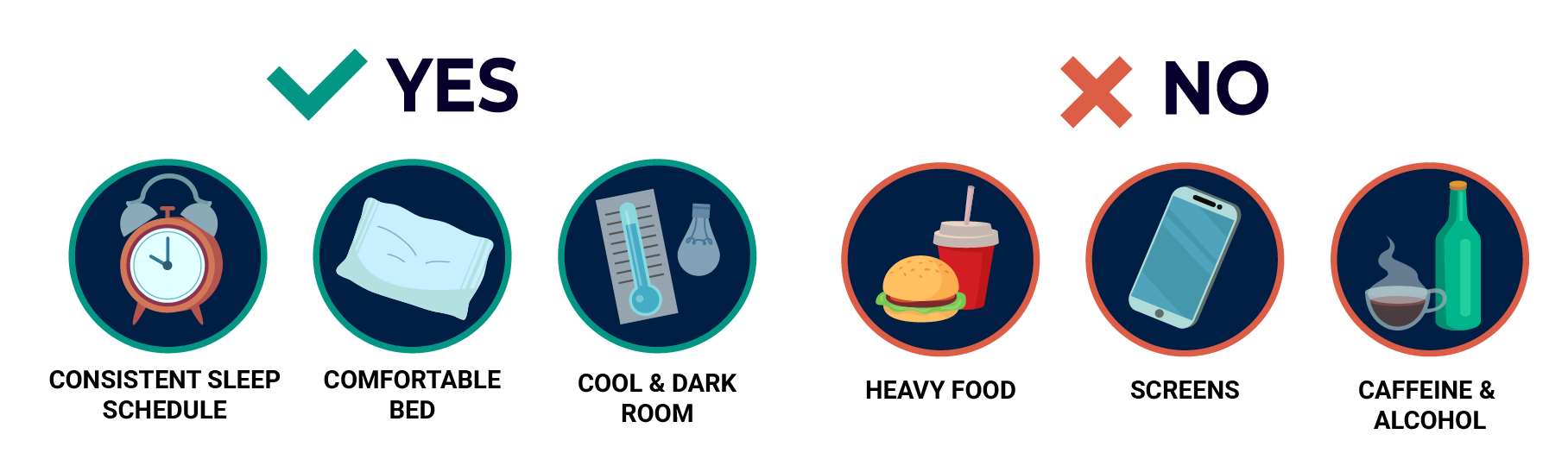
Sleep hygiene is the daily habits and routines that help you get high-quality, restful sleep. This includes things like keeping a consistent bedtime, creating a comfortable sleep environment, and limiting caffeine and screen use before bed.
Click the button below to build your own sleep hygiene checklist with habits you want to build.
Prepare Your Home for Recovery
While your care team will help manage your sleep during your stay at the hospital, your home environment plays a crucial role in maintaining your healing momentum after discharge. Preparing your bedroom before your surgery can help you return to a normal sleep schedule more quickly.
-
- Ensure you have a comfortable mattress and pillows that allow you to sleep in a position that doesn’t strain your surgical site.
-
- Check that the height of your bedframe will be manageable for getting in and out of bed after your surgery.
-
- Prepare for nighttime trips to the bathroom by having a clear path and nightlights to guide you without needing to turn on overhead lights.
-
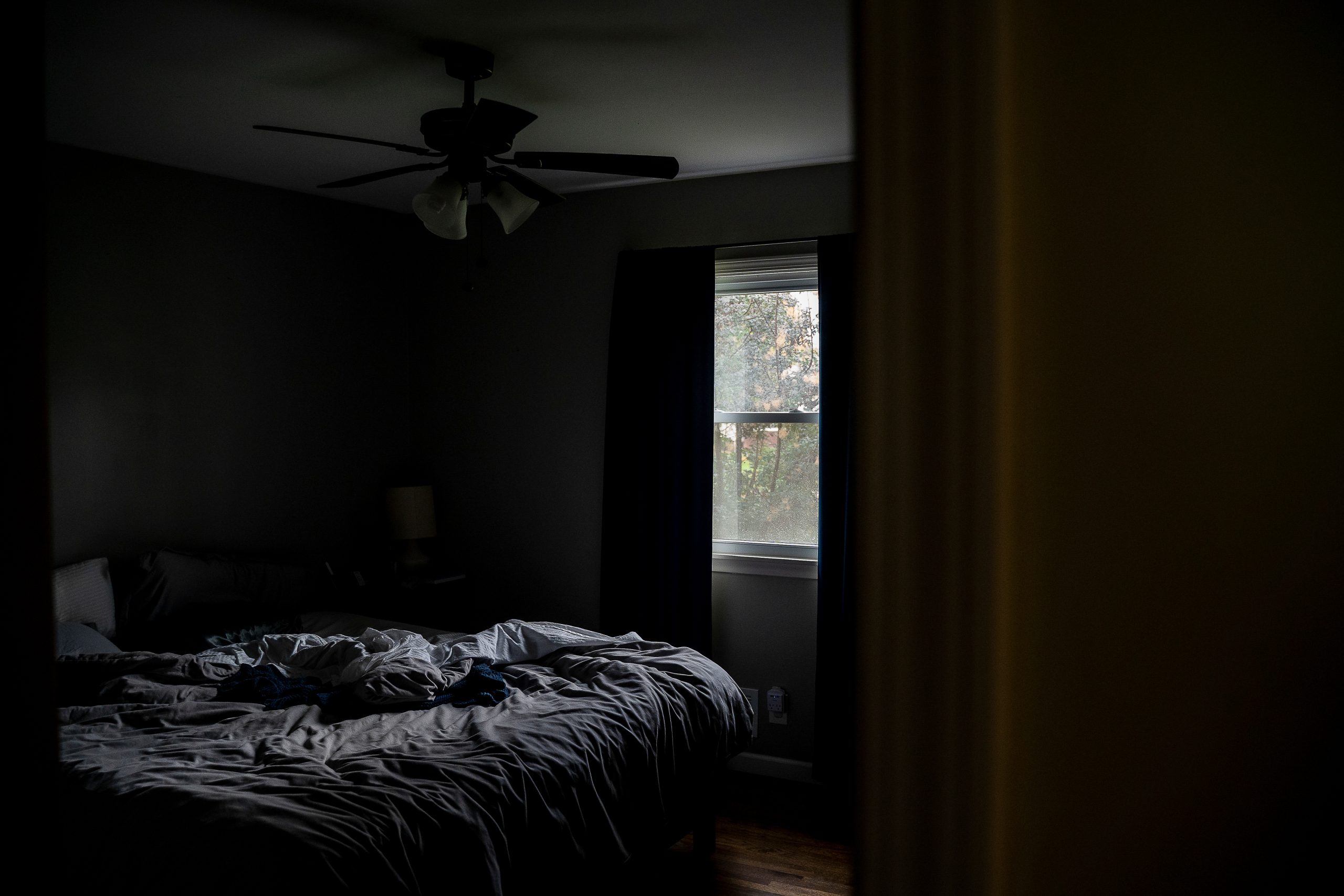
- Remove screens and make sure you can keep your bedroom dark and cool at night.
Navigate Challenging Sleep at the Hospital
The hospital can be a challenging place to rest because of noise, lights, and frequent check-ins. Even so, getting good-quality sleep while you’re in the hospital can support healing and may help you recover faster and go home sooner. The tips below can help you sleep better during your hospital stay.
-
- Pack a “Sleep Kit”: Bring your own eye mask and earplugs from home or other items that will help you sleep comfortably at the hospital.
-
- Talk to Your Care Team: If possible, ask your care team if non-essential checks can be grouped together to minimize nighttime interruptions.
-
- Listen to Music: Using headphones to listen to calming music, relaxation apps, or sleep meditations can help you drown out hospital noise and reduce anxiety.
-
- Journal Your Worries: Spend a few minutes during the day writing down your worries to get them out of your head before you try to sleep.
-
- Practice Breathing: Simple deep breathing can lower your heart rate and get your body ready for sleep.

Try a Sleep Meditation
What’s the proof any of this works?
All the recommendations on this page are backed by clinical evidence. If you are interested in reading the studies, click the button!
CREATED BY HBOM
Healthy Behavior Optimization for Michigan is transforming healthcare through design.
Learn more at HBOMich.org.


HEAL BETTER
FEEL BETTER