
Managing Stress Before and After Surgery
Your mental well-being has a big impact on healing. Managing stress after surgery has been shown to decrease possible complications, help you heal faster, reduce pain, and have better overall outcomes.
Key Recovery Goals
- Faster wound healing
- Reduced risk of complications
- Boost immune function to fight infection
- Manage pain
If you use tobacco or alcohol to help manage stress, tell your care team and use the buttons to find resources.
Using these substances can negatively impact your ability to heal after surgery.
Heal creatively
Creativity is a powerful way to enhance your mood and emotional state while decreasing anxiety, stress, and even pain. These activities are non-invasive, safe, and inexpensive ways to heal better.
Music and Sound
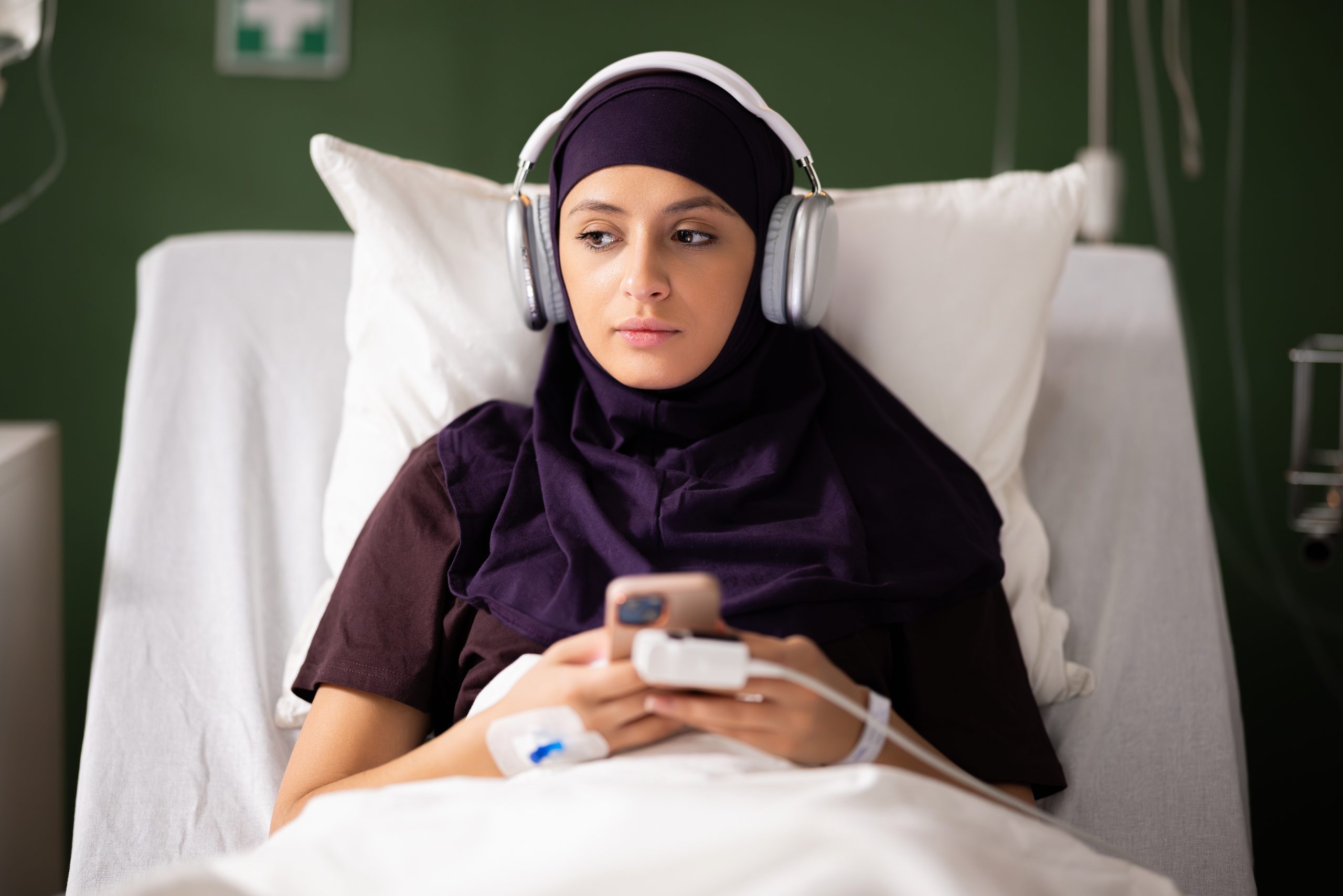
Listening to music is one of the most accessible forms of creative healing. Simply listening to the music you like before and after surgery can:
- Reduce Pain and Anxiety: Listening to music can significantly reduce pain and anxiety after surgery.
- Boost Satisfaction: Listening to music during your hospital stay can help improve your overall experience.
If you don’t have an easy way to take your music with you on the go, there are many platforms that allow you to make a playlist for free and store it on your phone.
Writing and Journaling
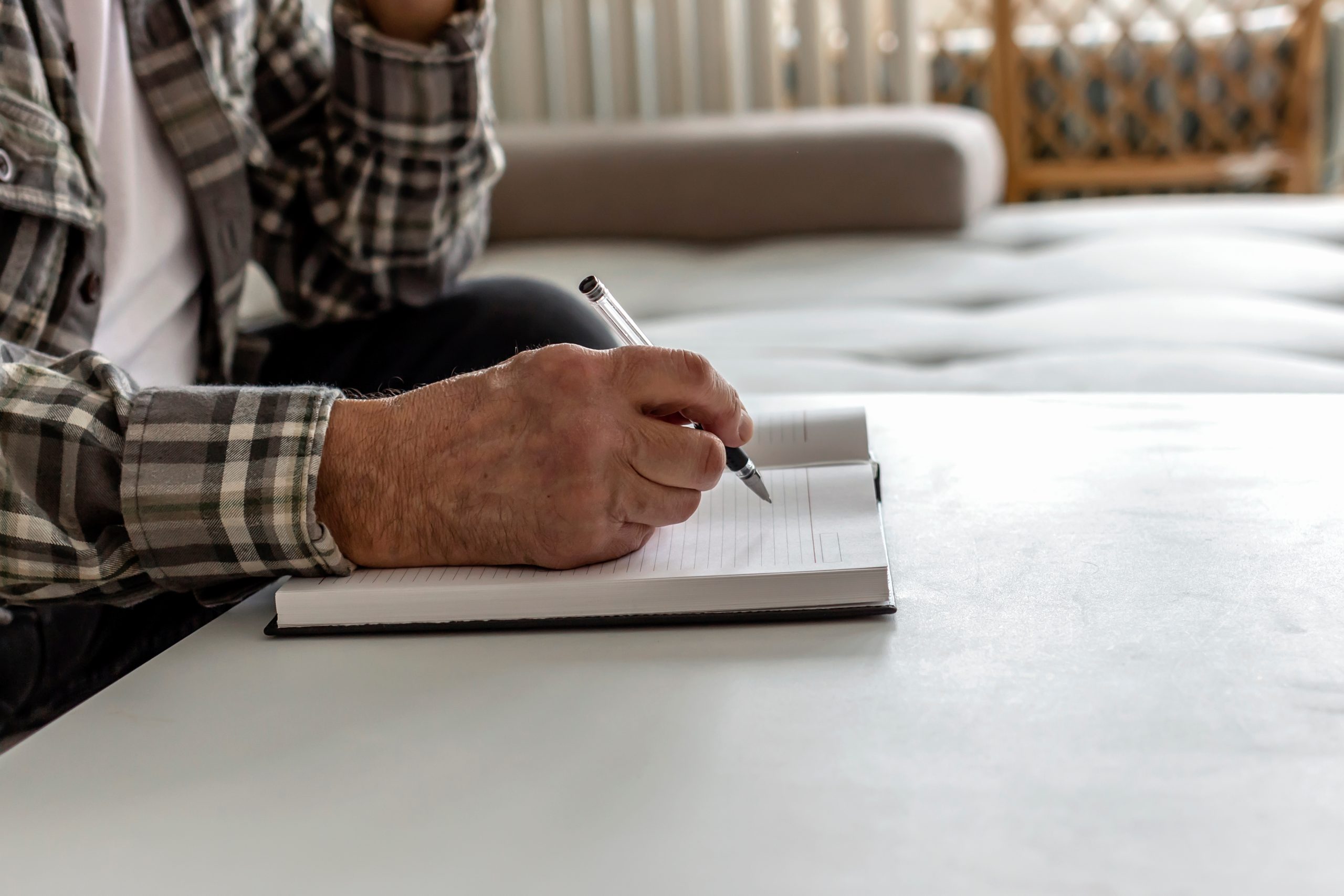
Believe it or not, journaling has been shown to increase the speed of wound healing. Take a few minutes each day to write about your thoughts and feelings before and after surgery.
Not sure where to start? Here are a few ideas!
Instructions:
- Choose a prompt that resonates with you
- Write freely for 5-10 minutes without editing
- Remember there are no wrong answers
Example prompts:
What does healing mean to me beyond just physical recovery?
Who are the people in my support system, and how can they help me?
What has surprised me about my surgery preparation or recovery so far?
Complete the sentence: “Right now, I need…”
Visual Arts and Crafts
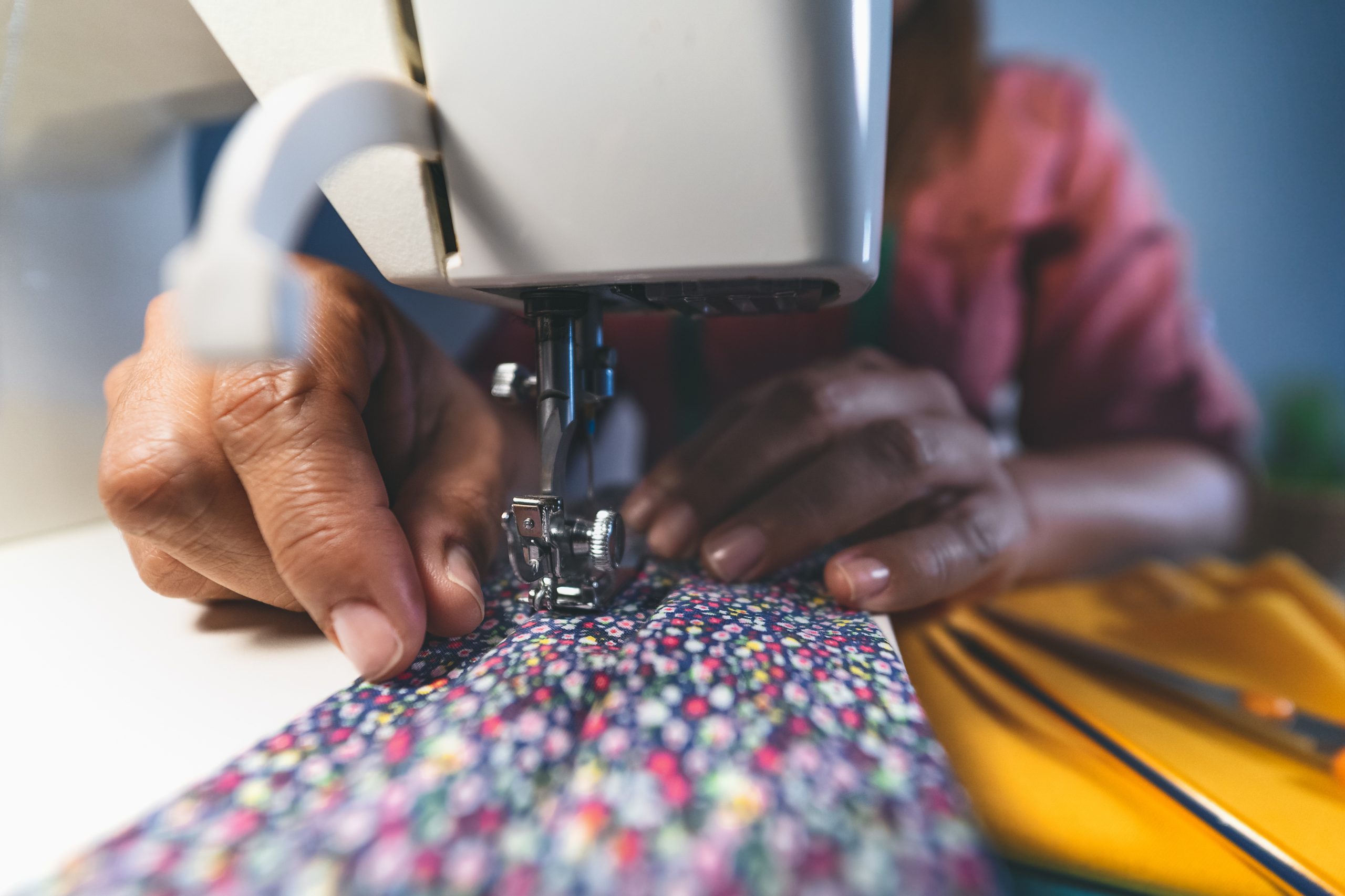
Engaging in the visual arts can allow you to express feelings that may be too difficult to put into words and provide a creative outlet for stress. Visual arts help you by:
- Shifting focus: Making art or creative hobbies (such as drawing, collage, card making, knitting, or pottery) can help you focus on the positives.
- Expressing feelings symbolically: Art allows you to express your feelings in a symbolic way, helping you deal with stress and negative emotions
In the time leading up to your surgery, prepare some easy, creative activities you can do when you get home from the hospital.
Connect with friends and family
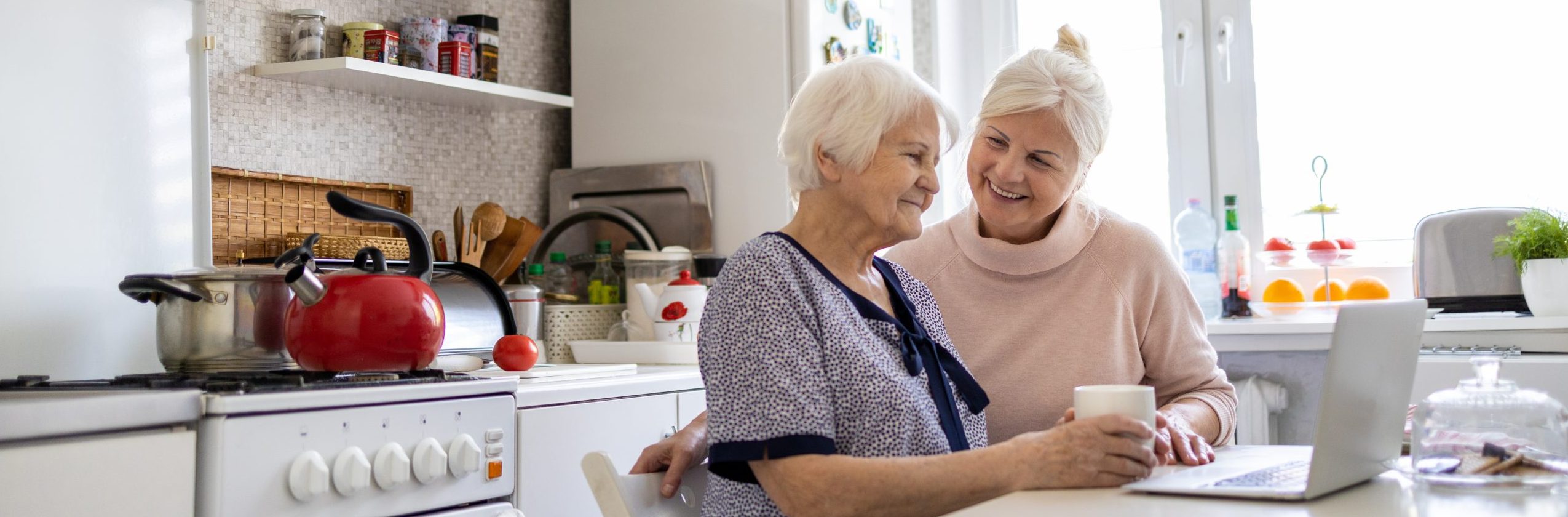
Feeling support and connection to others can help you heal more effectively. Reach out to a friend or family member and be open, and if you are able, let them know the support you may need. Spend time with pets that provide comfort and companionship.
Here are some ideas for ways your social network can support you:
Help with rides
Cook meals
Ask friends or family to bring you groceries or meals while you are recovering. You can even start a meal train to help arrange food deliveries.
Spend time

Spend time outside
Sitting on your porch, going to a park, or even looking at pictures of nature (like in a movie or video game) has been shown to help speed up your recovery and reduce the need for pain medications.
Reduce stress hormones
Improve emotional health
Time in nature helps reduce negative feelings like anxiety, depression, anger, and fatigue.
Boost immunity
Bring nature to you
If it’s difficult for you to go outside or find a green space, you can create one yourself!
Get some indoor plants
Add some indoor pants to spaces where you will spend time during your recovery.
Use images instead
Hang pictures of nature scenes, or set a nature screen saver on your computer or TV.
What’s the proof any of this works?
All the recommendations on this page are backed by clinical evidence. If you are interested in reading the studies, click the button!
CREATED BY HBOM
Healthy Behavior Optimization for Michigan is transforming healthcare through design.
Learn more at HBOMich.org.


HEAL BETTER
FEEL BETTER