
The power of movement
Movement is key to recovering from surgery. Even small amounts can help your blood circulate, improve your lung and heart function, reduce your pain, and lead to stronger tissue growth.
Consult your doctor before starting a new fitness routine, and yourself and your care team: What kind of movement can I make a part of my daily routine before and after surgery?
Key Recovery Goals
- Get home from the hospital faster
- Recover faster at home
- Less risk of complications
- Help your bodily functions return to normal faster
Adding movement to your routine before surgery has been shown to
decrease your risk of complications after surgery by 40%
Pre-Surgery Fitness (Prehabilitation)
Why prehabilitation matters

Shorter Hospital Stays

Faster Healing

Fewer Complications
Even just walking the night before surgery can help you heal better.
Planning your pre-surgery movement routine
The best way to prepare for surgery is to combine aerobic movement (like walking) with simple strength training exercises.
Movement Recommendations
These goals are general minimum recommendations to help you prepare for surgery. Talk to your care team about specific goals for your health and recovery needs. Use the section below to plan your activity minutes for the week.
| Activity Type | Goal | Tips |
|---|---|---|
| Aerobic Activity | Aim for at least 140 minutes of moderate aerobic activity per week (that's only 20 minutes per day). | Walking, chair or floor cardio exercises, playing with kids, dancing, biking, jogging, even running errands can be great options. Break this down into manageable chunks (such as 10 minutes of activity 2 times per day) that count towards your weekly goal. |
| Strength Training | Try for at least 2 days per week targeting major muscle groups. | This is important for maintaining muscle mass and preparing you for faster recovery after surgery. Strength training can include using your body weight, resistance bands, or light weights. |
| Breathing Exercises | Combine breathing exercises with your aerobic and strength training. | Try slow, controlled breathing techniques like box breathing (inhale 4 seconds, hold 4, exhale 4, hold 4) for 1–3 minutes to support strong, steady breathing. |
Fill in your minutes
Choose the days you plan to do aerobic activity and/or strength training, then enter minutes.
Check with your care team before starting a new movement routine.

Aerobic movement ideas
- Walking (outside or on a treadmill)
- Marching in place
- Light cycling (stationary or outdoor)
- Swimming or water walking
- Dancing to music at home
- Using stairs (slow and steady)
- Low-impact aerobics or chair aerobics
- Gardening or yard work
- Pushing a stroller or walking a pet

Strength training ideas
-
Sit-to-stands from a chair
-
Wall push-ups
-
Standing or seated squats
-
Step-ups onto a low step
-
Resistance band rows or presses
-
Bicep curls with light weights or water bottles
-
Shoulder raises with light weights
-
Heel raises (holding onto a chair for balance)
-
Core tightening (gently pulling your belly button in while breathing normally)
Explore some guided movement options you can do at home
Movement after surgery
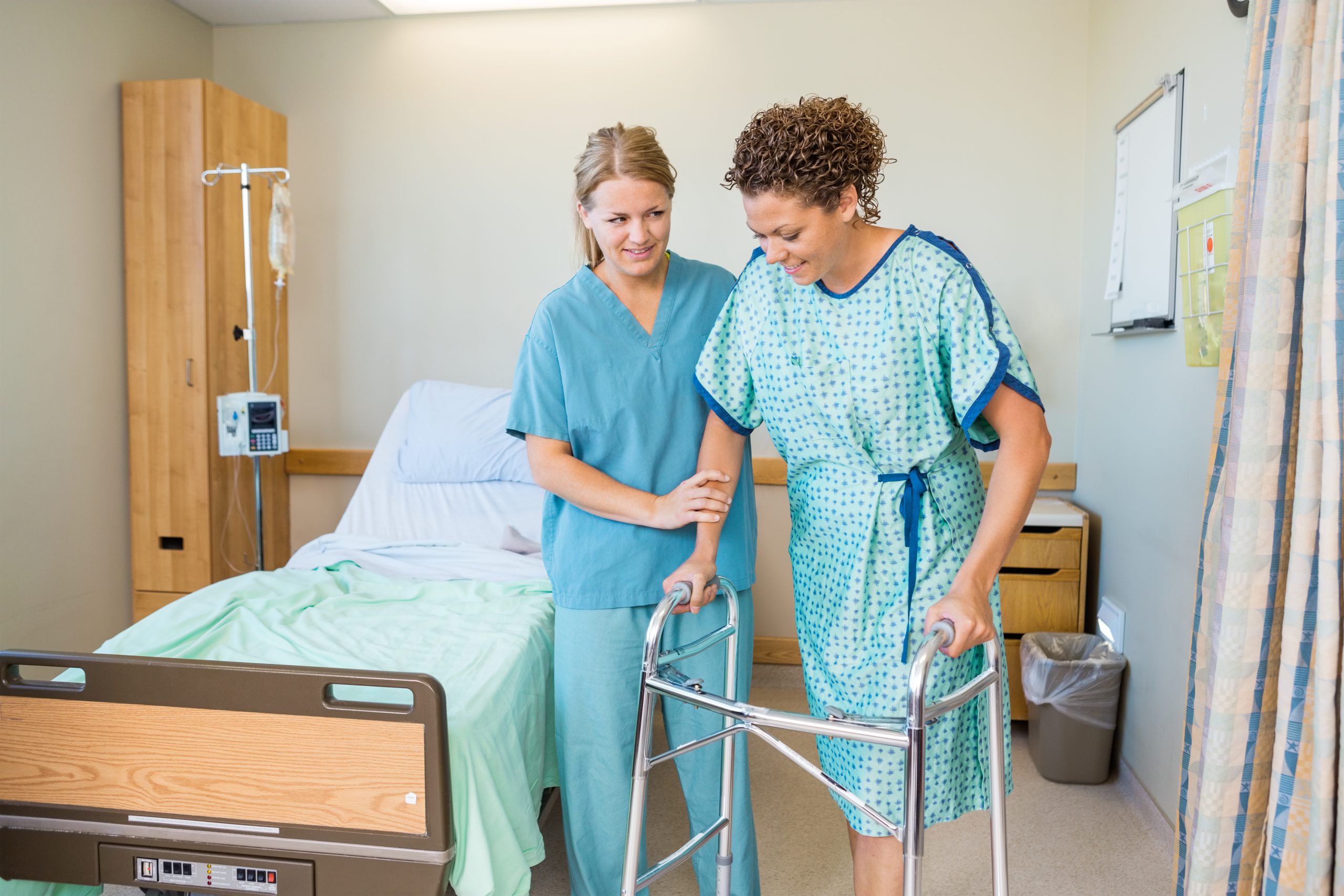
Early movement
Start simple
Get walking
Keep it up for long-term benefits!
Gradually increase your movement during your recovery and make it part of your regular routine.
What to avoid
Limit lifting
No strenuous exercise
Tips for staying active before and after surgery
Keep it fun
Movement should be something you enjoy! If your routine is feeling like a chore, try some of these options:
-
-
Water Exercise: Water aerobics or swimming can be a fun, low-impact option that helps reduce knee, hip, or back pain.
- Dance Classes: Options like Zumba are fun ways to get aerobic activity. Try online videos or a local group class.
- Mind-Body: Try Yoga or Pilates to improve flexibility and strengthen muscles while practicing breathing exercises.
-

Use your insurance to help cover the cost
Worried about the cost of gym memberships or specialized equipment? Your health insurance might help!
-
-
Check your benefits: Check to see if your health insurance covers a gym membership or other fitness options. You can do this by logging into your insurance’s online portal or by calling the number on the back of your insurance card.
- Medicare Programs: Medicare Advantage or Medicare Supplement Insurance plans may include programs like SilverSneakers, which offers free or low-cost gym memberships and fitness programs to seniors.
-

What’s the proof any of this works?
All the recommendations on this page are backed by clinical evidence. If you are interested in reading the studies, click the button!
CREATED BY HBOM
Healthy Behavior Optimization for Michigan is transforming healthcare through design.
Learn more at HBOMich.org.


HEAL BETTER
FEEL BETTER